
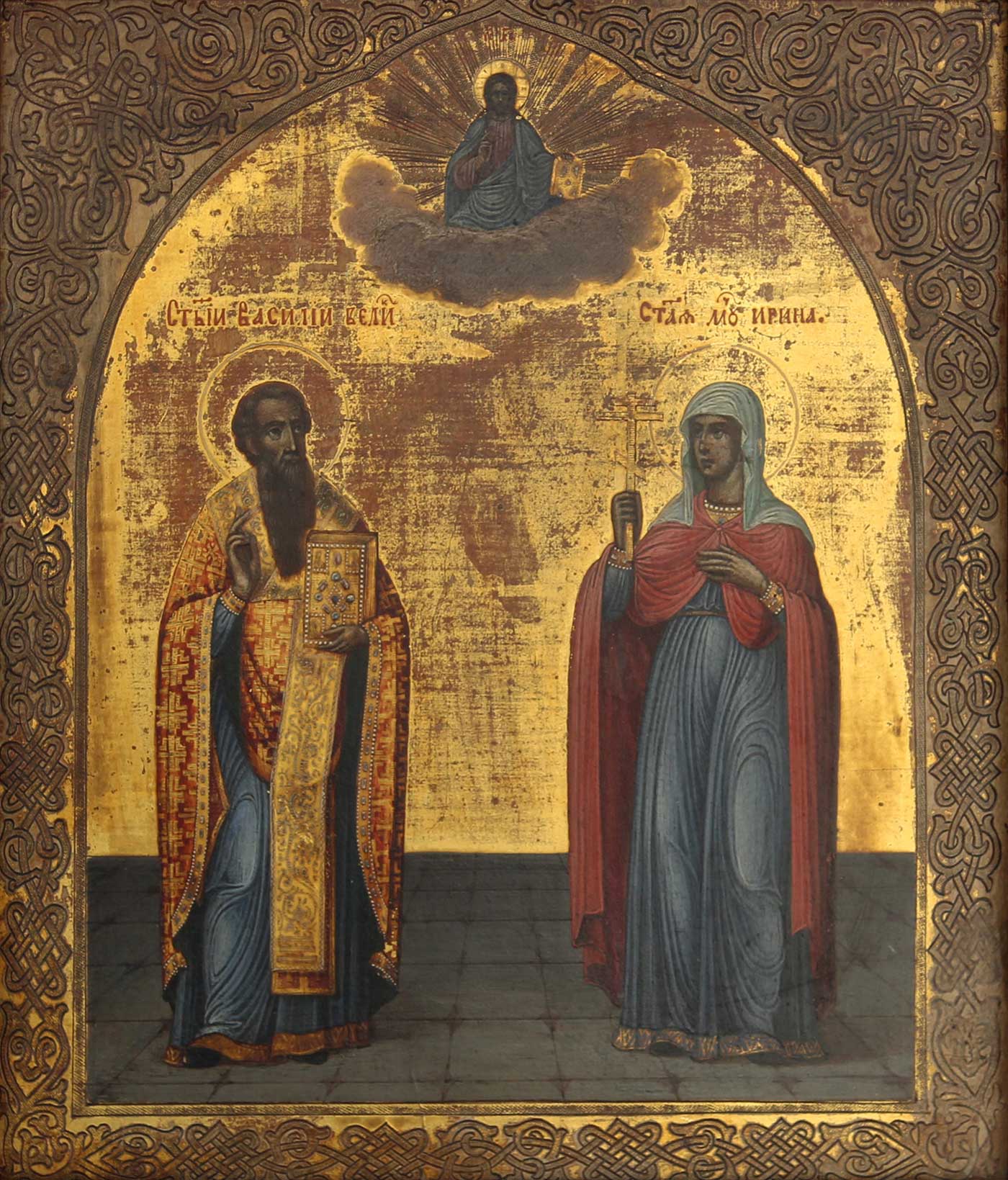
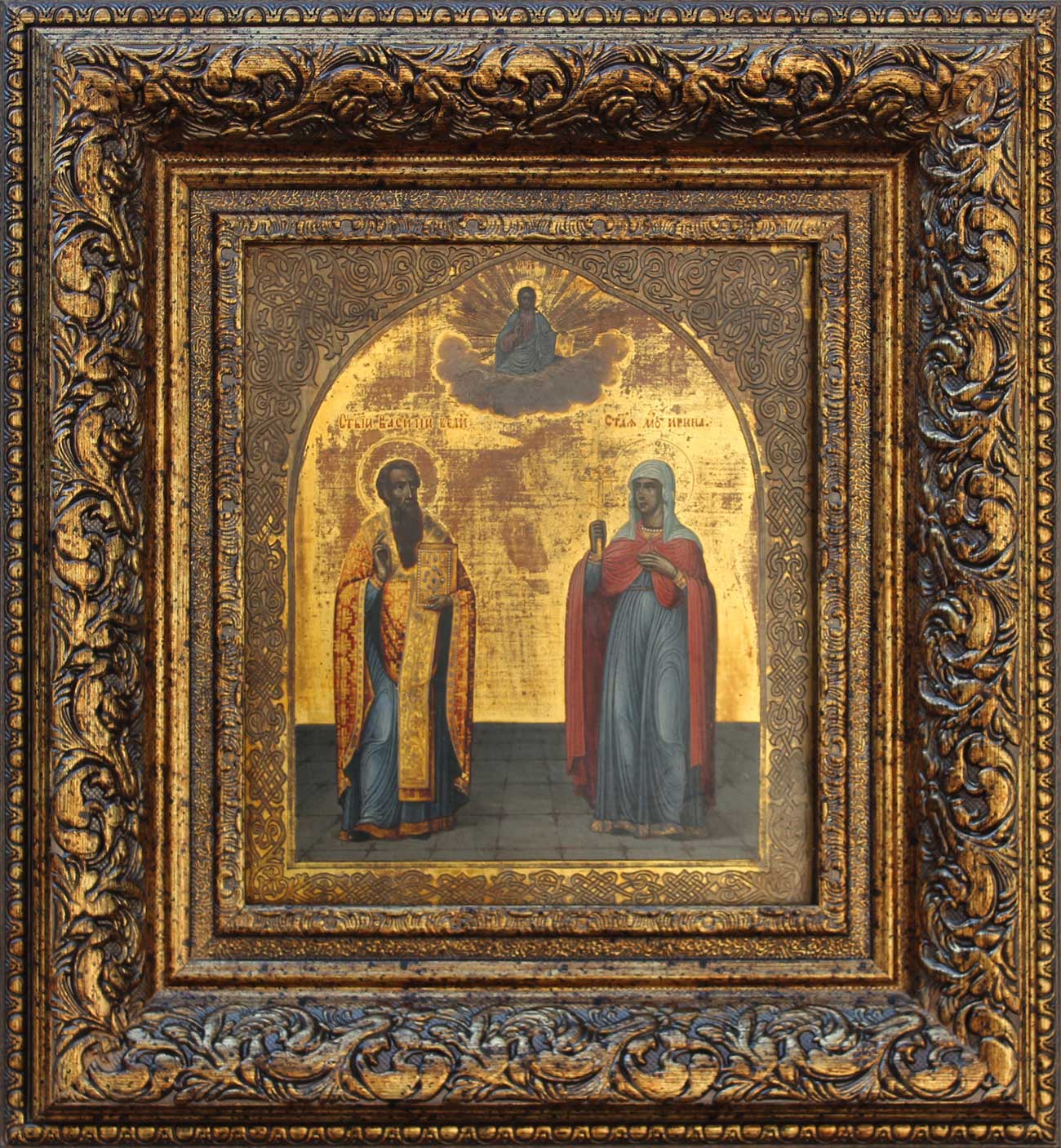
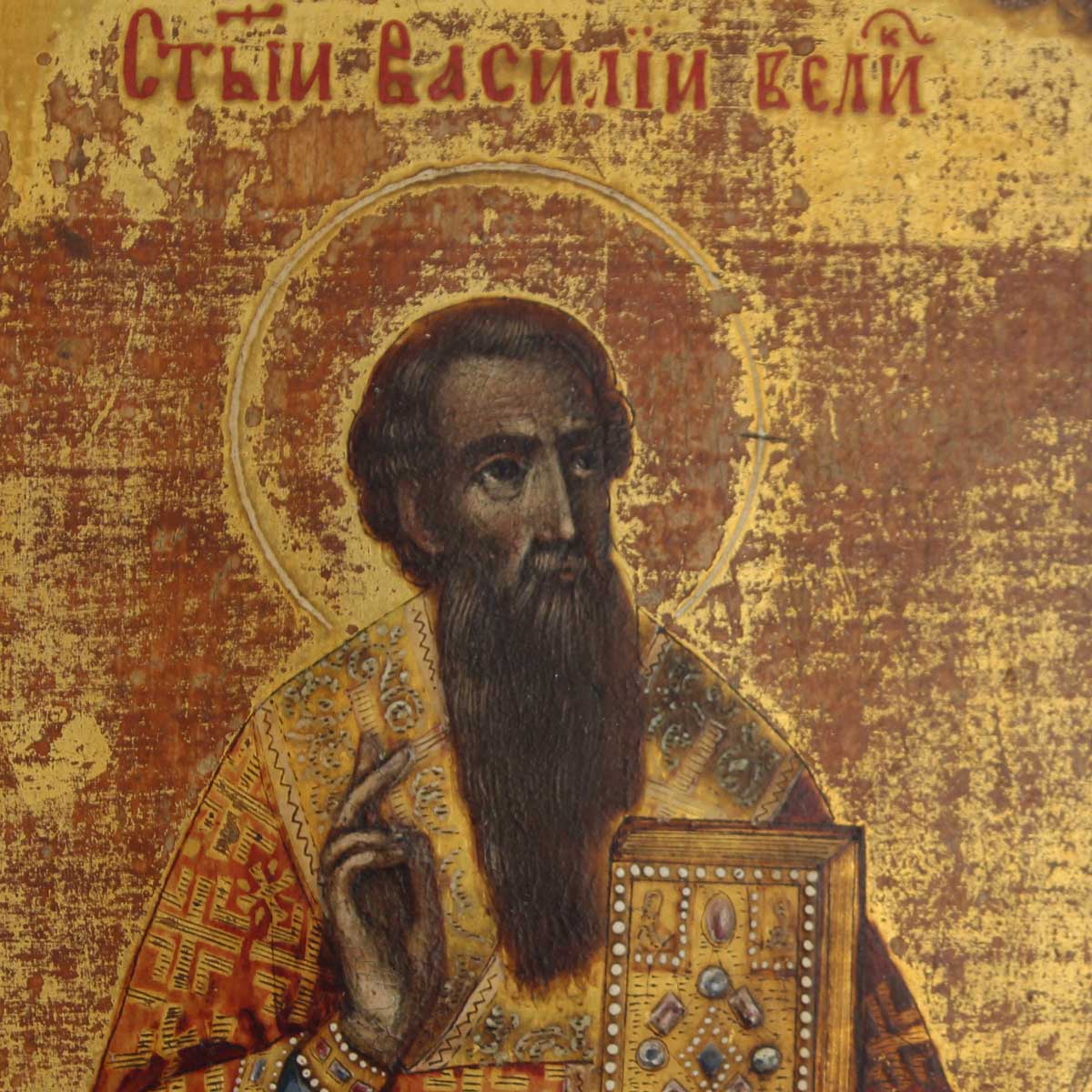
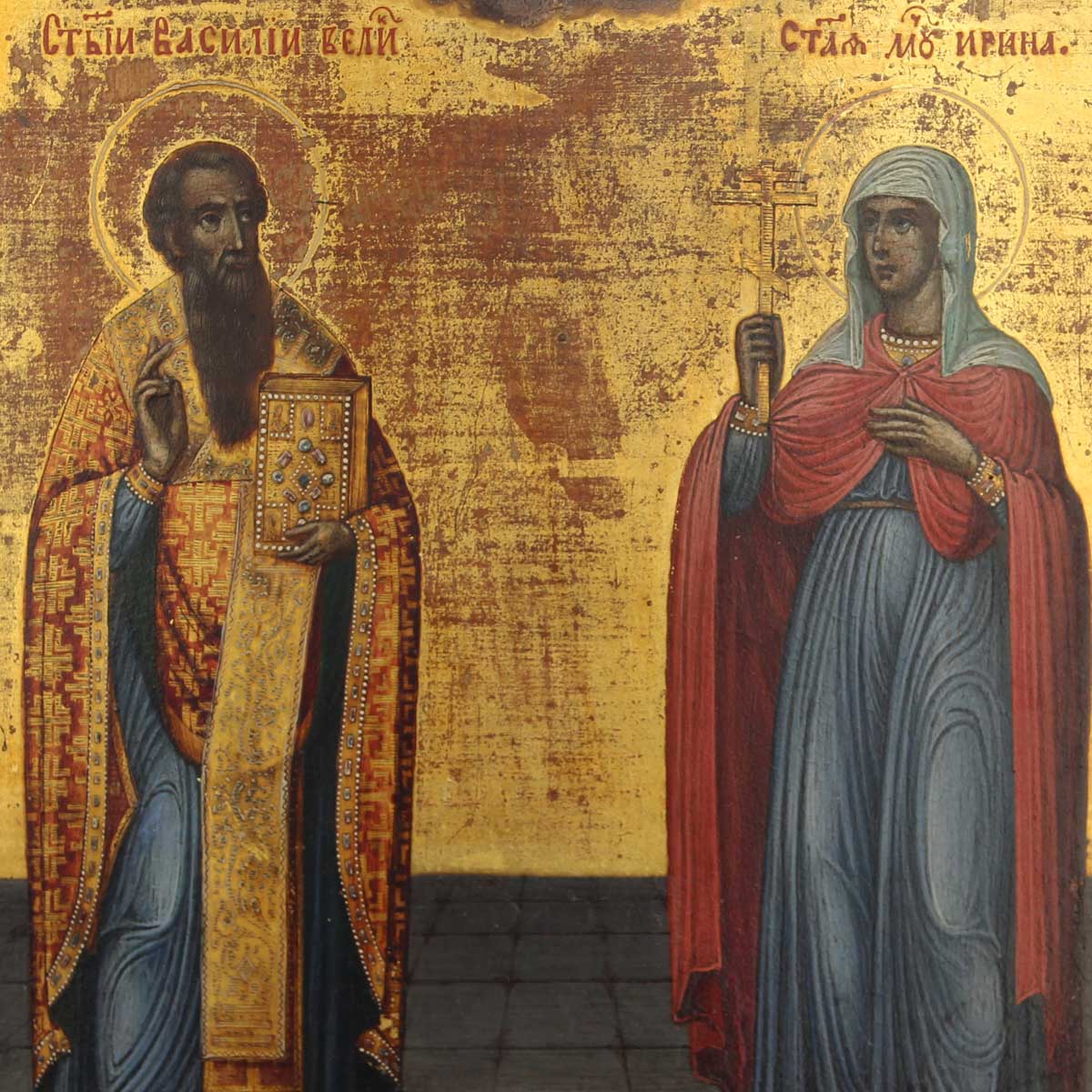
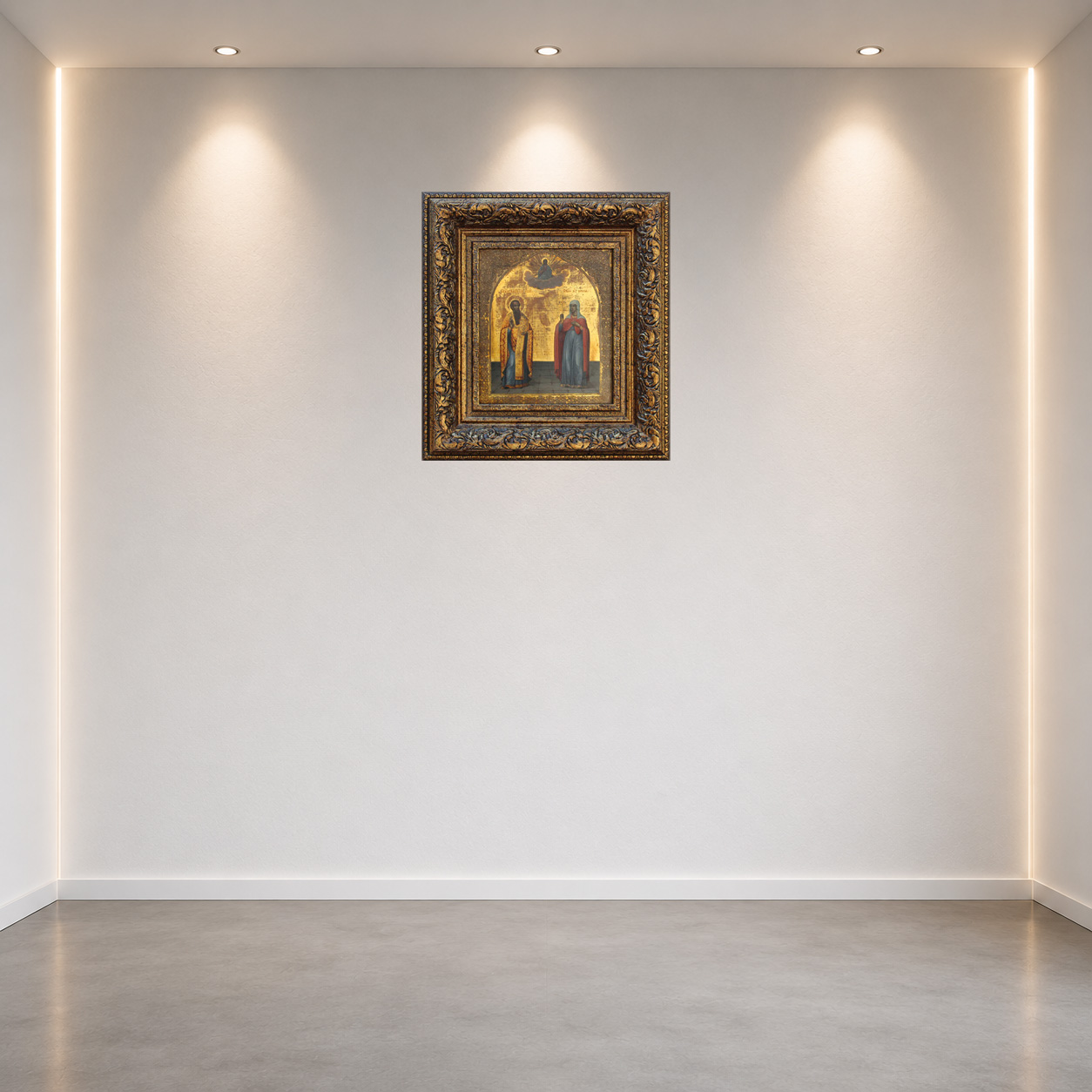
Description
Russian Orthodox icons are sacred, symbolic religious paintings used to connect the viewer with the divine rather than act as realistic portraits. Icons are not viewed as mere art or idols, but as spiritual bridges or “windows” connecting the earthly world to the heavenly realm. Figures are painted in a glorified, transcendent state with inverse perspective, meaning lines converge on the viewer rather than vanishing into the background, symbolizing that the holy figure reaches out to bless the person praying. Icons intentionally lack shadows because shadows represent earthly weight, darkness, and the material world. Gold: Represents the uncreated light of God and heavenly glory. Red: Symbolizes divine life, fire, love, and the blood of martyrs. Blue: Denotes heaven, divine mystery, and human potential for spiritual depth. White: Represents divine purity, uncreated light, and transfiguration (gray is never used because it symbolizes emptiness and vagueness).Common Subjects Jesus Christ: Often shown as the Pantocrator (Ruler of the Universe), holding the Gospels and raising a hand in blessing.The Mother of God (Theotokos): Depicted in specific types like Hodegetria (pointing the way to Christ) or Tenderness (showing deep maternal love).Saints and Angels: Portrayed with stylized features, large eyes for spiritual perception, and elongated noses to indicate detachment from earthly desires.


