
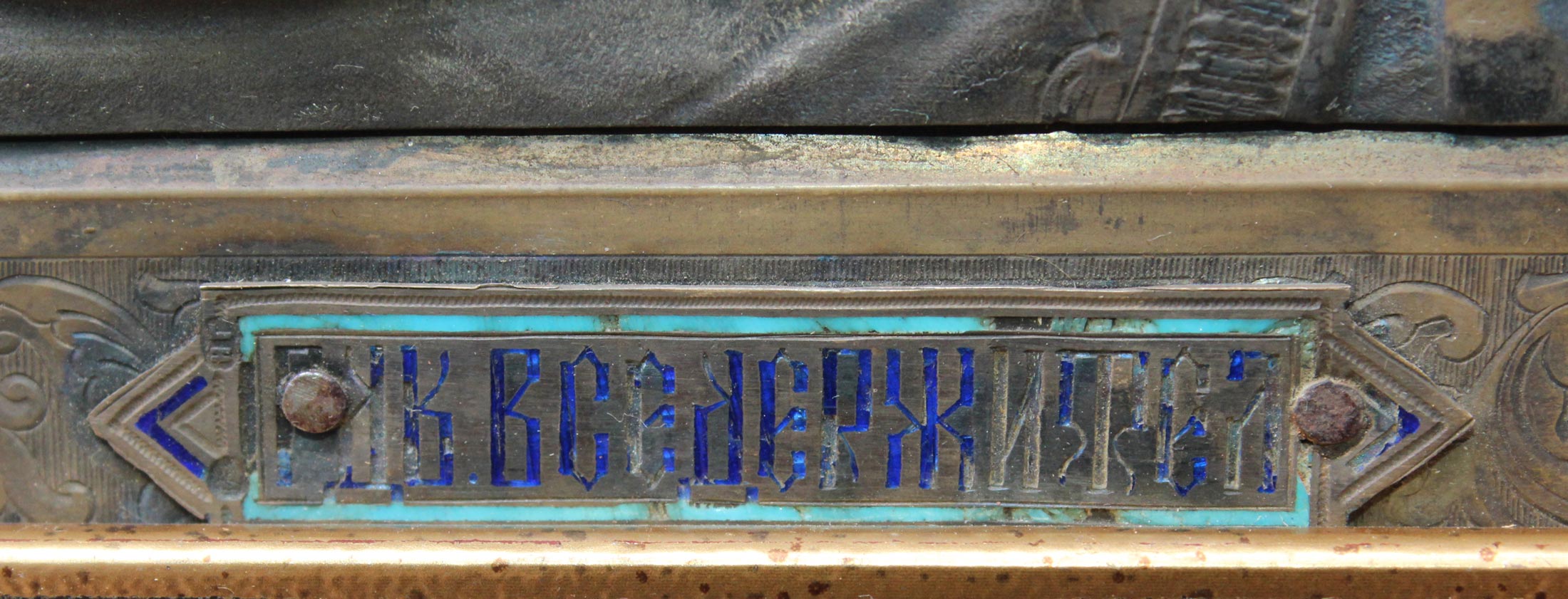
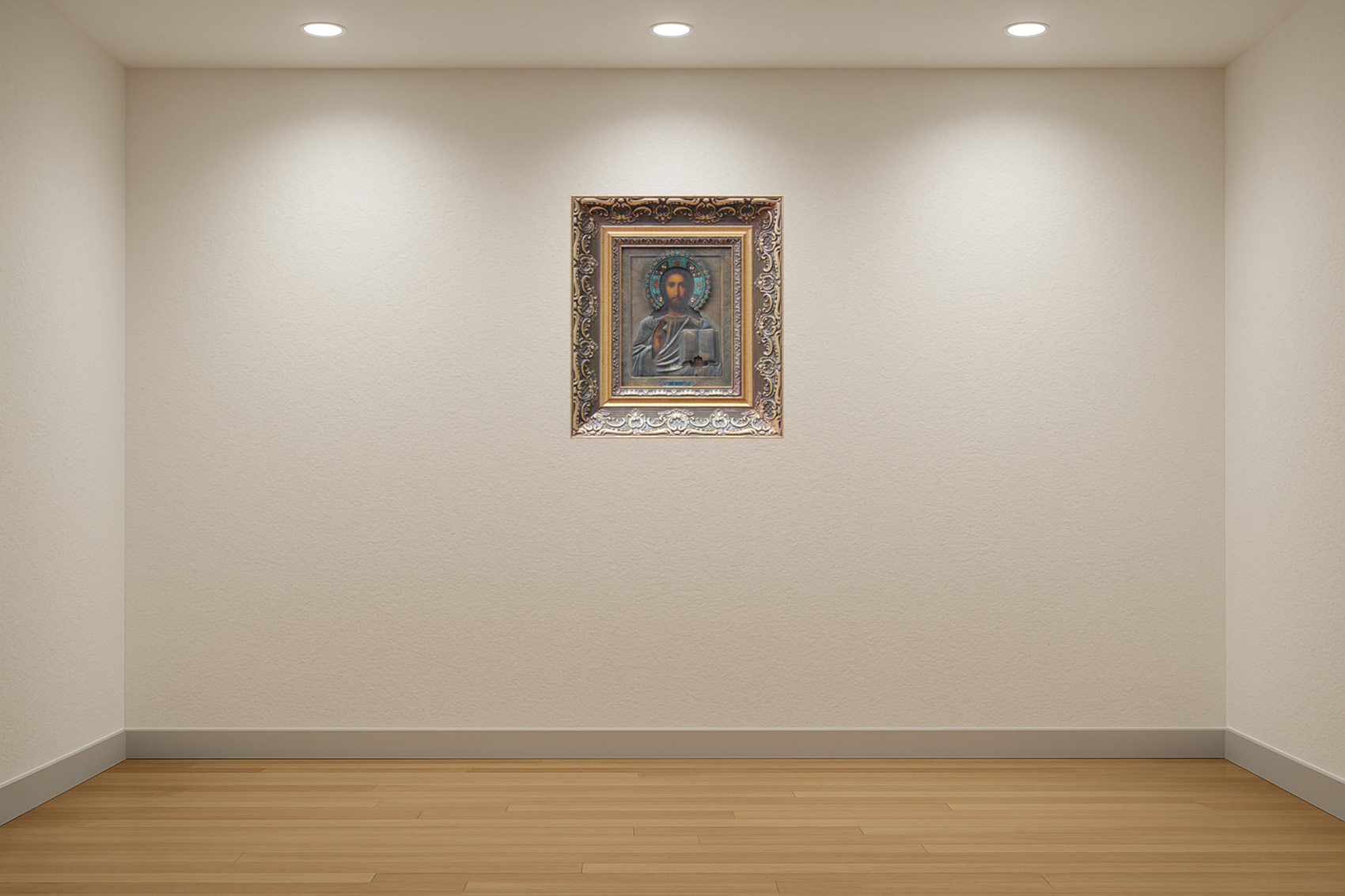
Description
Russian icons represent a form of religious art that developed in Eastern Orthodox Christianity after Kievan Rus’ adopted the faith from the Eastern Roman (Byzantine) Empire in AD 988.
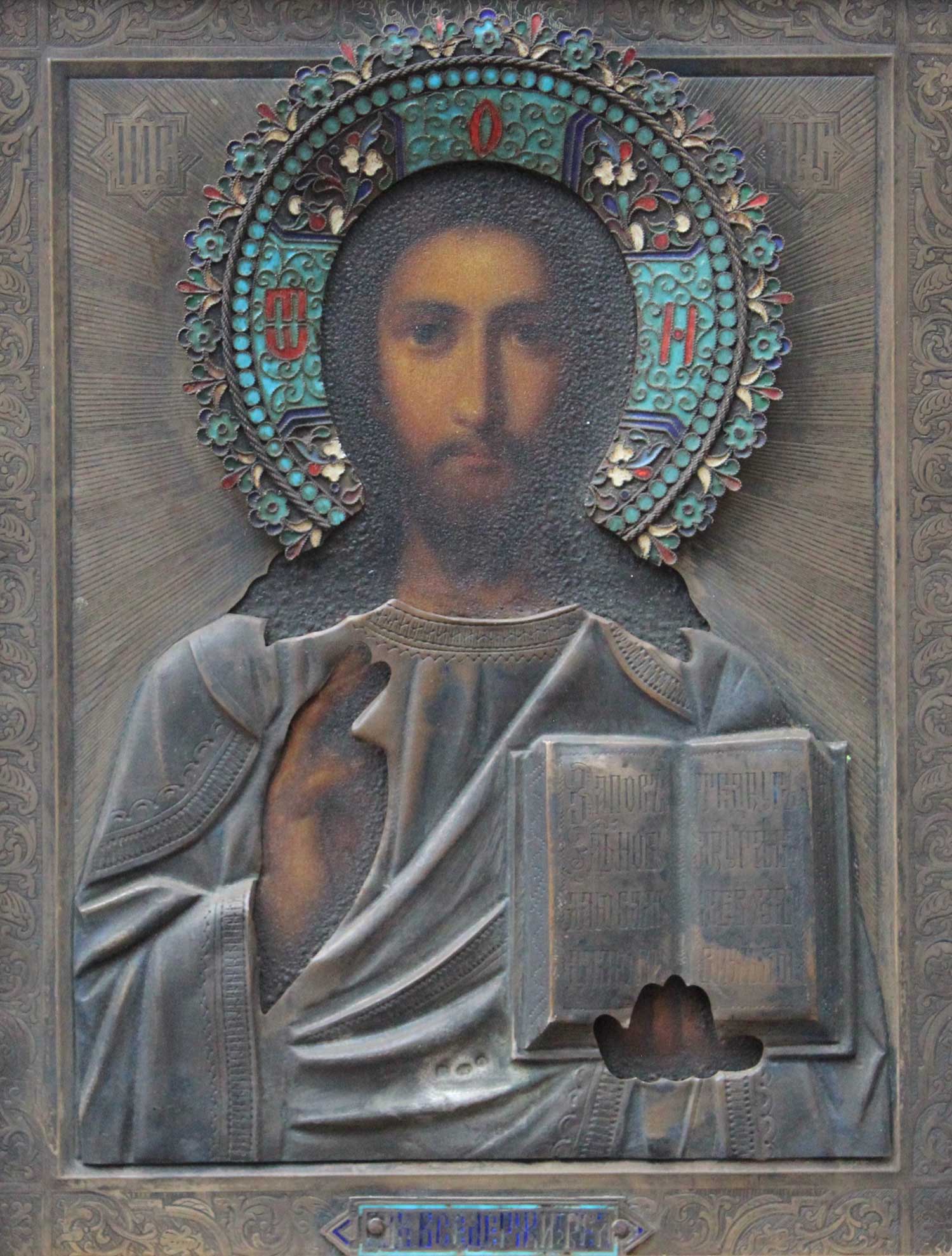
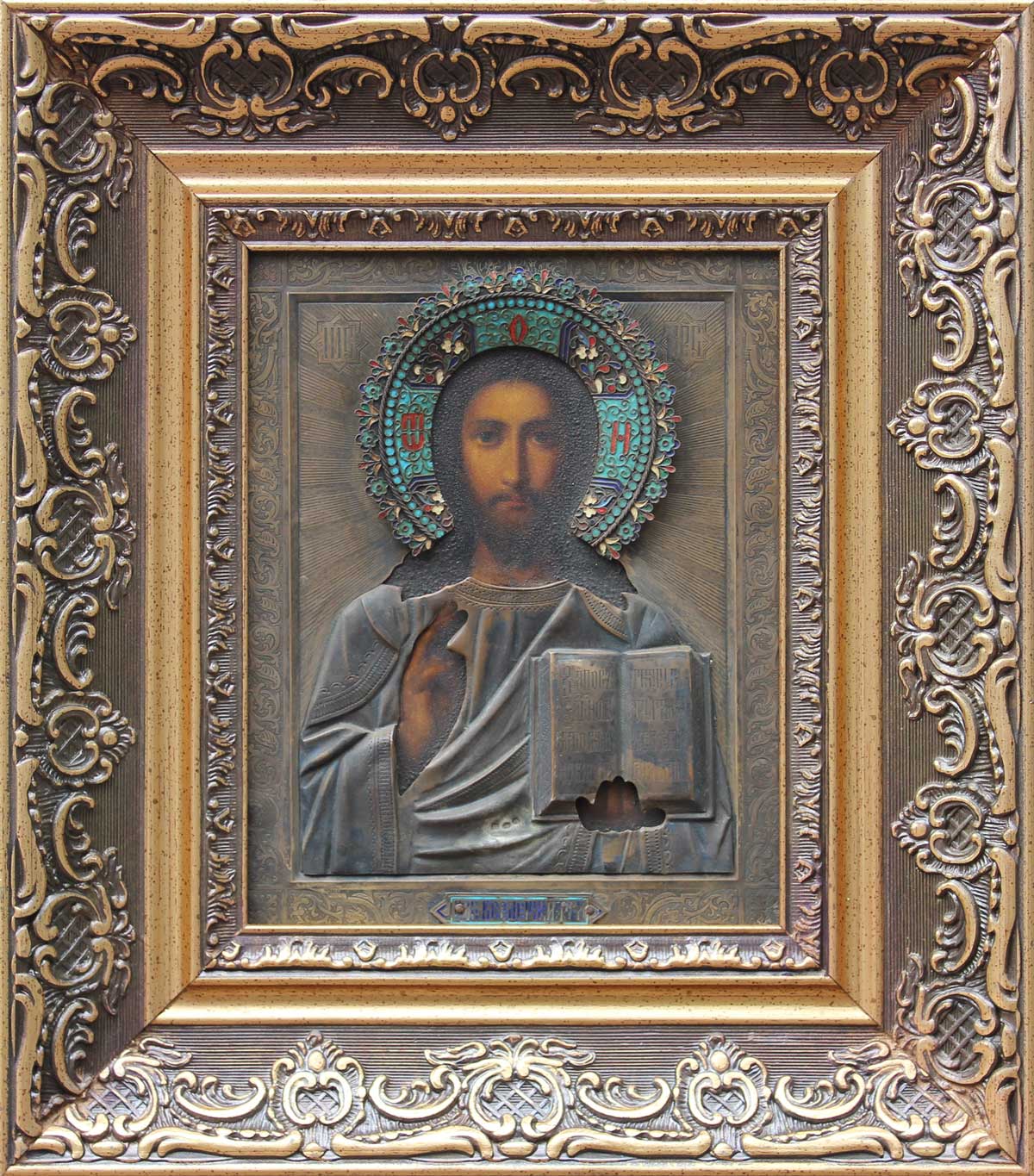
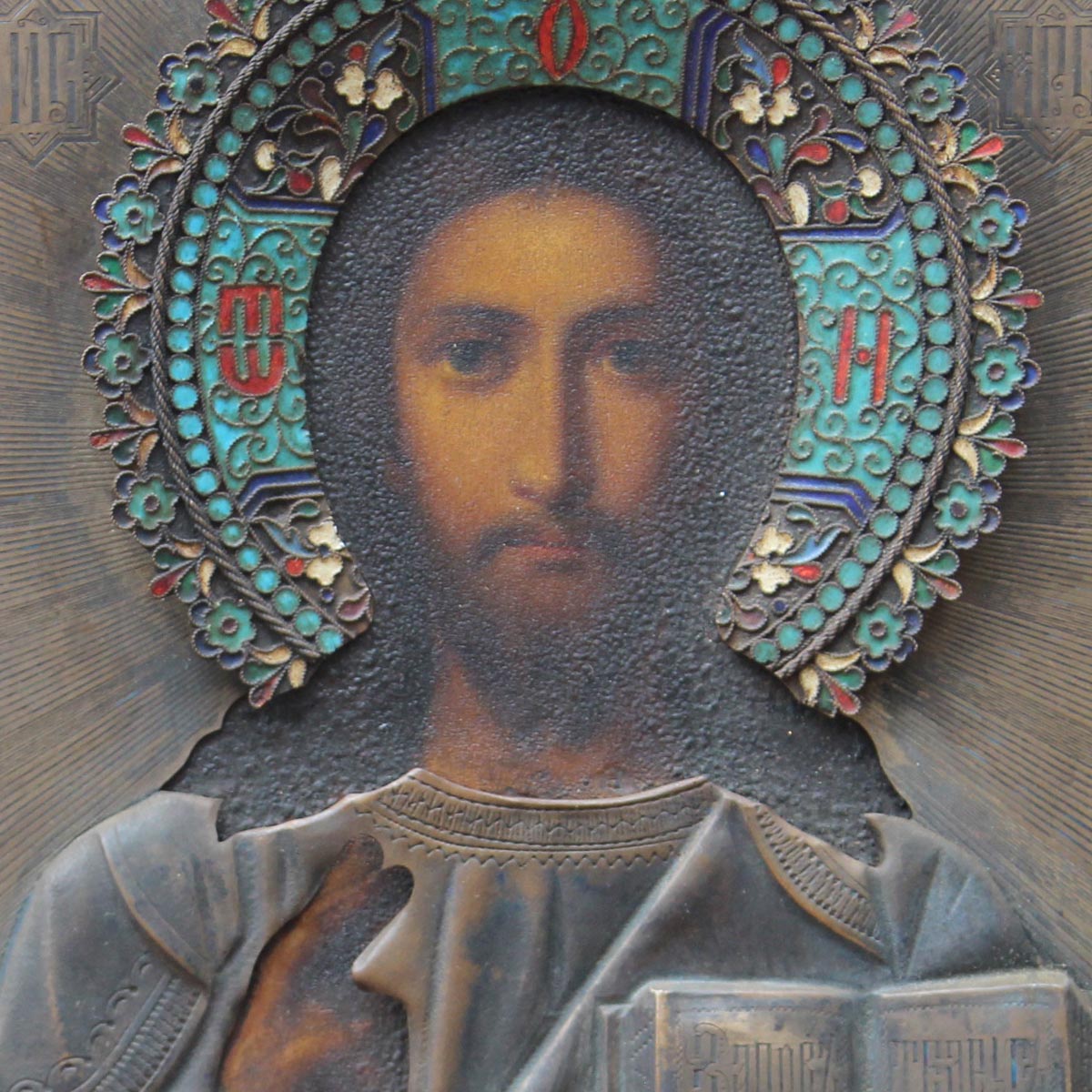
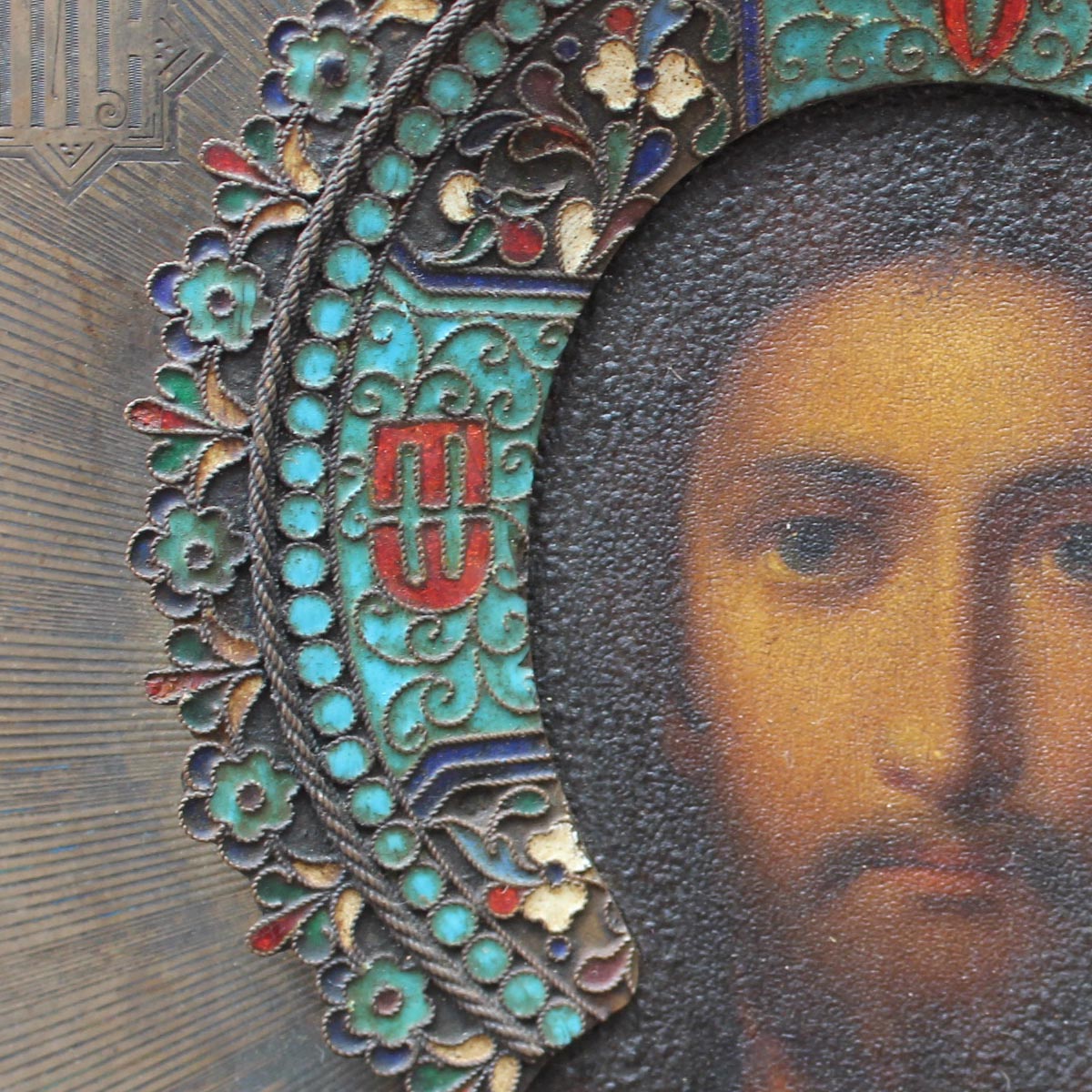
Russian icons are religious paintings, often small, that are hung on walls in homes or found in large sizes in churches. Icons have rich religious symbolism and history. The largest collection can be found at the Tretyakov Gallery in Russia. Icon making and use became common, following strict models from Constantinople, though over time Russian artists expanded styles and types of icons.
These icons were integral to religious practices and cultural traditions in Russia. Over time, Russian iconography evolved, incorporating local styles and elements that expanded its visual and symbolic vocabulary.
Russian icons are typically paintings on wood, often small, though some in churches and monasteries may be much larger.


